★ ★ ★ ★ ★
"Great pleasant staff from the initial phone call to the service tech! Friendly, knowledgeable, and conscientious."
— Kimberly B.
(Google Review)
★ ★ ★ ★ ★
"I had an excellent experience with Hartman Brothers from start to finish. After dealing with an incomplete and frustrating repair from Peterman Brothers, Hartman Brothers was a breath of fresh air. Their technician spent several hours thoroughly troubleshooting my tankless water heater, walking through the issues clearly and professionally. There was no upselling, no pressure, and no shortcuts—just honest, methodical work.
Based on their findings, I chose to upgrade to a new tankless water heater, and the decision was entirely mine. At no point did they try to push a sale or steer me toward anything unnecessary. The installation was clean, the communication was excellent, and the entire process felt transparent and trustworthy.
It’s clear why they have such a strong reputation in the Fort Wayne area. Their professionalism, responsiveness, and genuine customer‑first approach really stand out. I’m very happy with the new system and with the service I received.
"
— Cory T.
(Google Review)
★ ★ ★ ★ ★
"We replaced a heat pump hvac system, got pricing from 4 hvac contractors. Lots of choices and levels but Hartman was head and shoulders above the others in cost and quality. They have experienced Technicians and great Owners, we highly recommend them!"
— Greg Eley
(Google Review)
★ ★ ★ ★ ★
"Wonderful experience. The service technician was very polite and explained everything very clearly so glad I had them service my furnace."
— Mic Garcia
(Google Review)
★ ★ ★ ★ ★
"Service was timely and the techs were professional and pleasant. There was a hitch but it was taken care of quickly.
I recommend this company."
— W. Blume
(Google Review)
★ ★ ★ ★ ★
"Hartman Brothers service technician Ked Snyder was excellent. He serviced my air conditioning unit finding a leak without too much trouble. I give him five stars!"
— Donald P.
(Google Review)
★ ★ ★ ★ ★
"Very courteous and professional. They always take great care of us."
— Chip S.
(Google Review)
★ ★ ★ ★ ★
"Josh did a excellent job on getting our furnace back up and running"
— John L.
(Google Review)

 Your heating system, cooking equipment, and any other appliance that burns fuel create carbon monoxide (CO). Normally, this toxic gas is safely vented outside. A CO leak can be lethal, making it necessary to have a carbon monoxide detector in your home. While manufacturer's instructions for CO detector placement vary, there are some general rules you should remember.
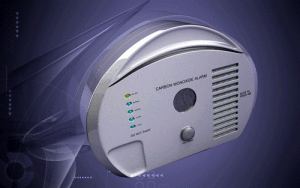 When you turn on your fuel-burning heating system for the fall, you have a reasonable expectation that it will operate safely. However, some unforeseen issues could occur that might make your gas or propane furnace a potentially deadly risk. To prevent this danger, you need a
 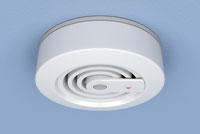 Carbon monoxide (CO)–a colorless, odorless, poisonous gas–is produced by the appliances you use in your home every day. Anything that burns fuel, such as a gas-fired furnace or water heater, produces carbon monoxide as a
 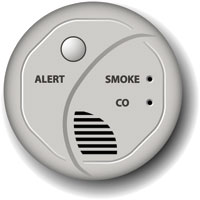 Carbon monoxide (CO) is a real threat lurking in your Fort Wayne area home. This colorless, odorless gas is hazardous and potentially lethal to humans and animals. It can be emitted from any combustion appliance in your home, including gas-powered water heaters and furnaces, if they're malfunctioning or not venting properly. It is very important to identify CO leaks quickly and address the situation immediately before it endangers your family.
 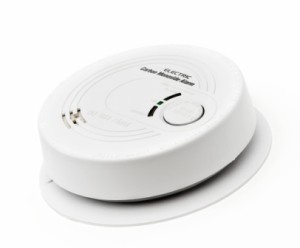 While preparing your home for the upcoming warmer months, don’t forget about carbon monoxide (CO) detector maintenance to help keep your family safe from this toxic and potentially lethal gas. Even though you run your gas furnace less in the spring, and not at all in the summer, there's still a risk of carbon monoxide poisoning from other gas appliances or machinery, as well as vehicles operating near open windows or inside attached garages.
